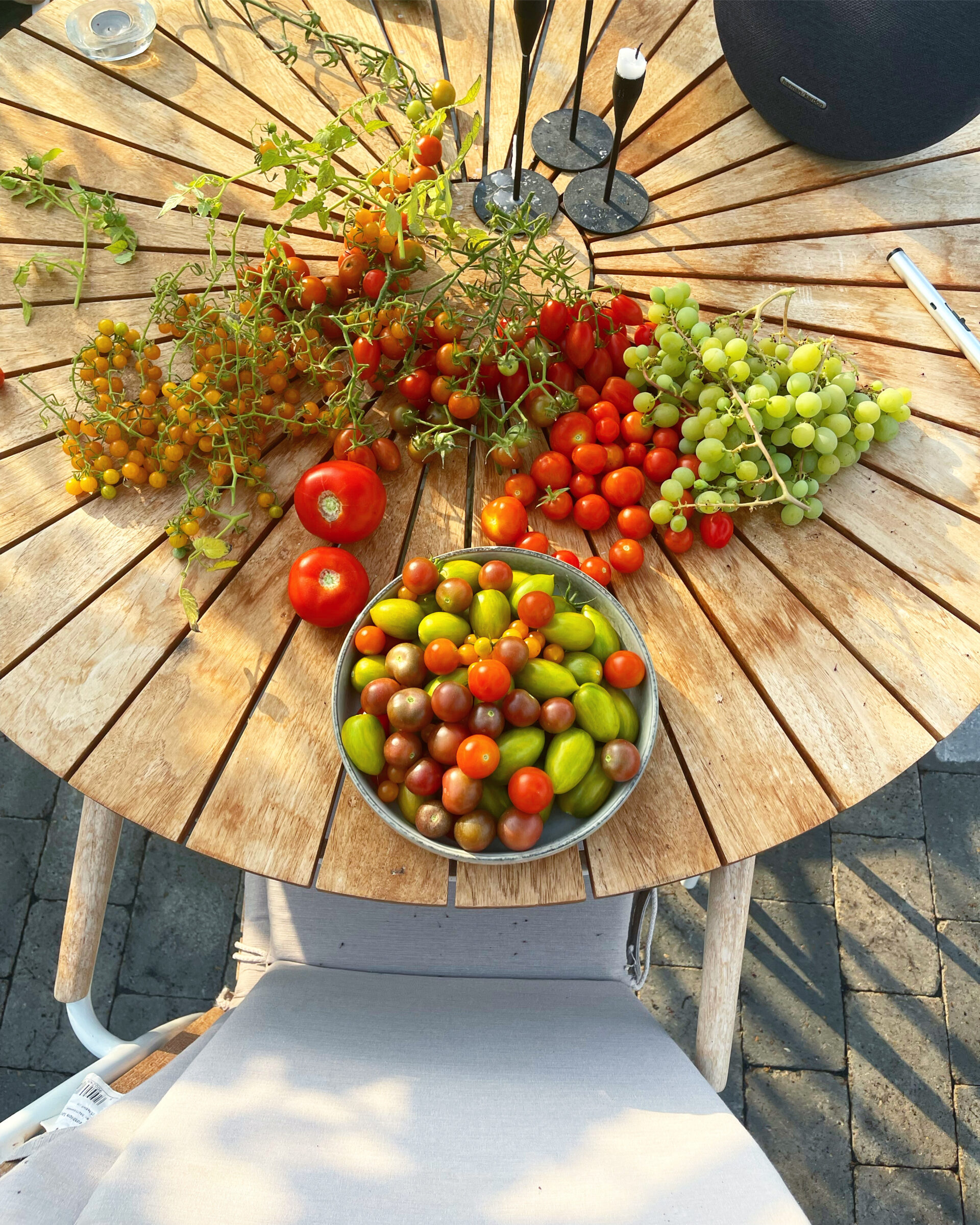
There are people who believe gardening is predictable. These are people who have never tried to save seeds from a hybrid tomato.
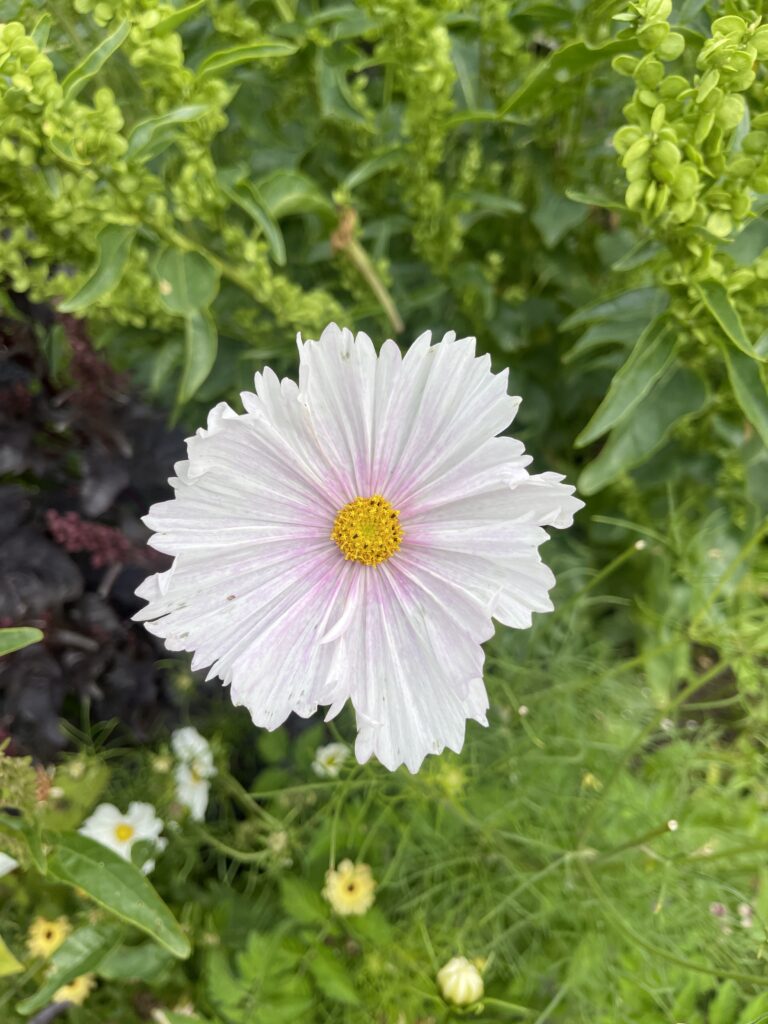
I learned this the hard way, the way most garden lessons are learned. I had grown the most beautiful cosmos one summer, tall and pink and prolific, the kind that make you feel like you know what you’re doing even when you absolutely don’t. At the end of the season, I carefully collected the seeds, dried them on the kitchen counter, and stored them in a labeled envelope like a responsible gardener. I felt very accomplished about this.
The next spring, I planted those saved seeds with the confidence of someone who has no idea what’s coming. What came up was… something. Cosmos, technically. But not the cosmos I had saved seeds from. Some were short and scraggly. Some bloomed white instead of pink. One produced flowers so pale they looked apologetic about existing.
This is when I learned about F1 hybrids.
The Problem With Perfection
Most of the tomatoes, cosmos, and many other plants you buy at the garden center are hybrids. Specifically, F1 hybrids, which stands for “first filial generation” and means they’re the result of deliberately crossing two different parent plants to get specific traits. Disease resistance. Uniform size. That perfect shade of pink. The predictability we’ve come to expect from our vegetables and flowers.
The catch is this: hybrid plants don’t breed true. Save their seeds, plant them next year, and you’ll get something, certainly. But it won’t be what you started with. The genetics shuffle themselves like a deck of cards, and you end up with whatever combination happens to land. Sometimes you get the disease resistance but lose the size. Sometimes you get neither and wonder why you bothered.
This is not a flaw in your gardening. This is genetics doing exactly what genetics does when humans aren’t carefully controlling every step of the process.
What You Can Save
Heirloom and open-pollinated varieties, on the other hand, breed true. Save seeds from a ‘Brandywine’ tomato and you’ll get ‘Brandywine’ tomatoes next year, assuming you’ve kept them away from other tomato varieties that might have crossed with them.
Which brings us to the gardeners who actually manage this. The ones who plant their heirloom tomatoes at opposite ends of the garden, or better yet, in completely separate gardens several blocks apart. Who carefully track which varieties are flowering when and cover plants with bags to prevent any unauthorized pollination. Who basically run a tomato dating service with very strict rules about who gets to meet whom.
These are not normal people. These are seed savers. They’re the ones with spreadsheets and hand-pollination schedules and very strong opinions about isolation distances. They will tell you, at length, about how far apart different brassicas need to be to prevent crossing. They have systems.
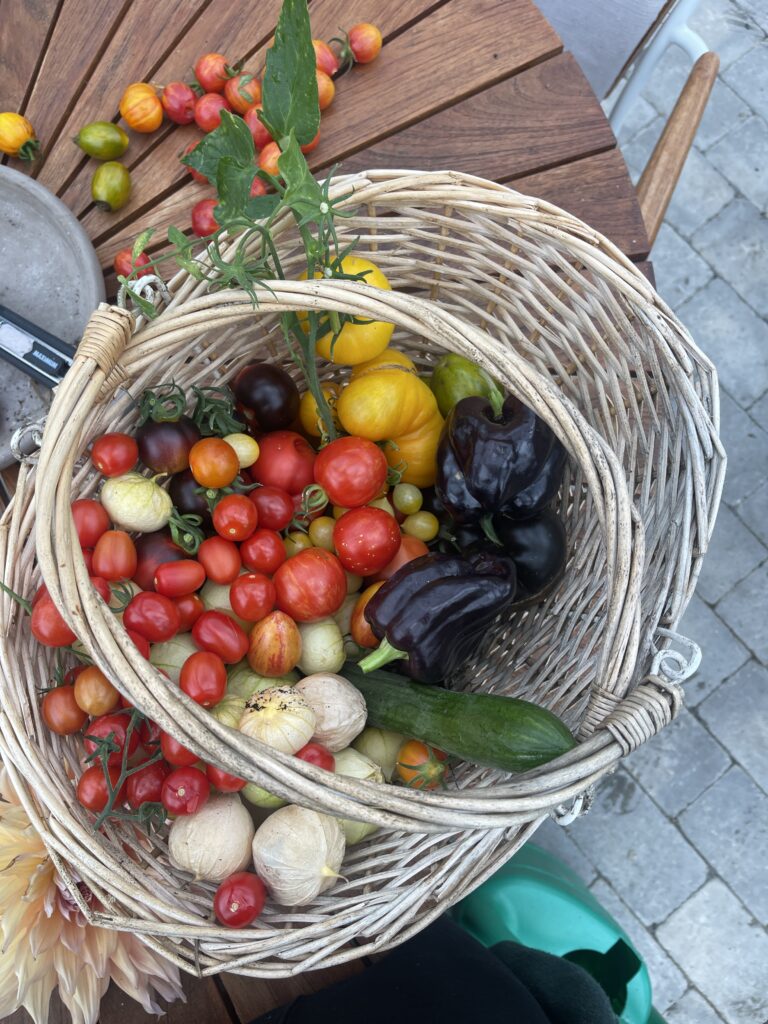
The rest of us just plant tomatoes wherever they fit and hope for the best, which is why our saved seeds tend to produce interesting surprises rather than exact replicas.
The Garden’s Small Rebellions
I still save seeds from hybrids sometimes, just to see what happens. Last year’s experiment with saved hybrid tomato seeds gave me fruit that was smaller and less sweet than the parent plant, but perfectly fine for sauce. The year before that, saved cosmos seeds produced one plant that bloomed a color I’d never seen in any catalog, a kind of coral-pink that I liked better than the original. It was the most ugly flower but the color was nice.
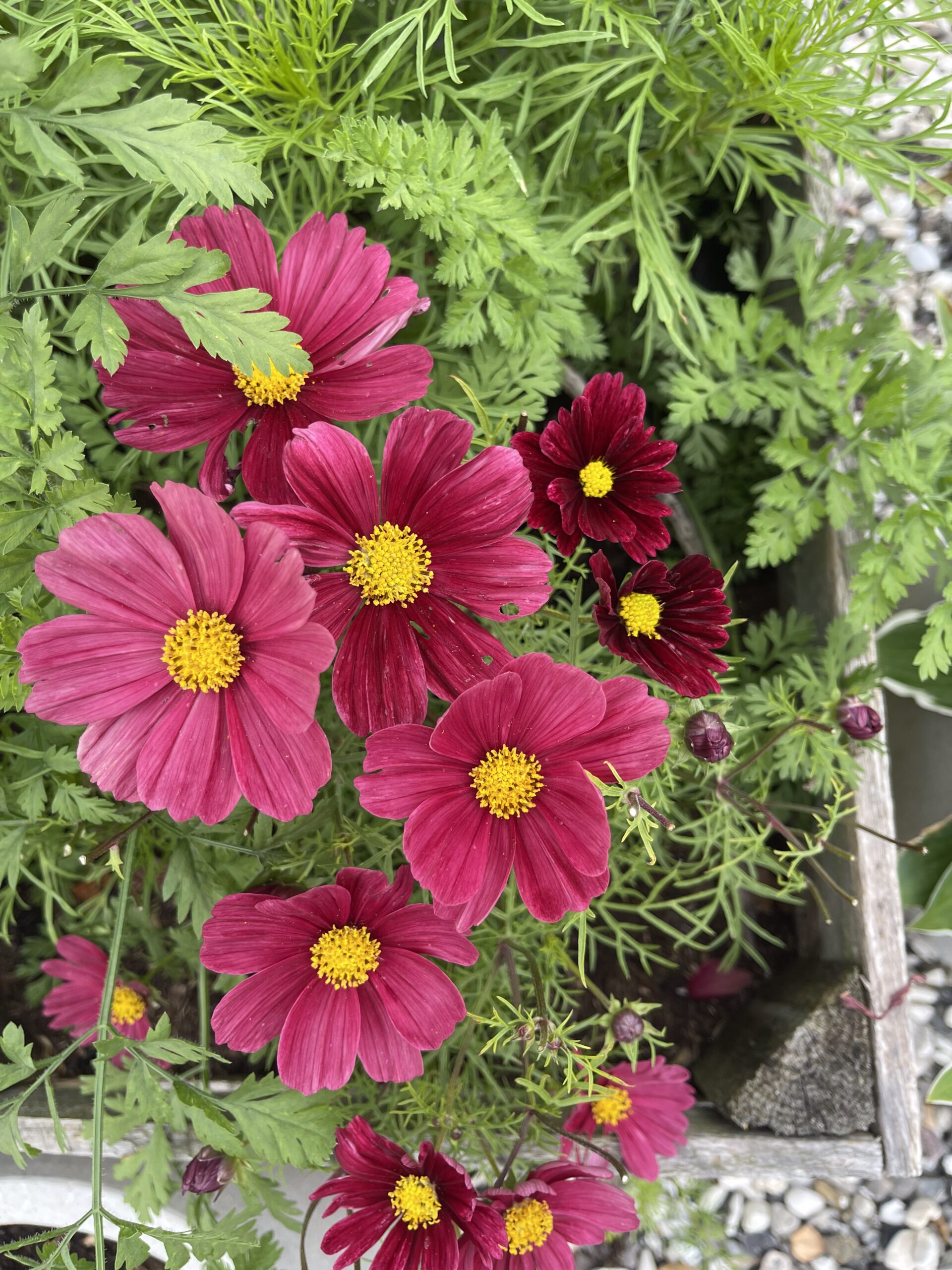
There’s something honest about this randomness. About accepting that not everything in the garden can be controlled or repeated. That sometimes saving seeds is less about getting the same thing again and more about seeing what the plant decides to become when left to its own devices.
The seed packets will tell you which varieties are hybrids. Usually marked F1, or sometimes just by the uniformity of their promises. Perfectly round tomatoes. Blooms that all reach the same height. The kind of consistency that doesn’t occur in nature without intervention.
You can save seeds from these if you want. Just know you’re not saving what you had. You’re saving the possibility of something else entirely. Which might be exactly what you need, or might teach you something about why some things can’t be repeated.
Either way, you’ll have learned something about seeds. And certainty. And the small rebellions a garden stages when we’re not paying close enough attention.