Rhubarb is the most honest plant in the garden. It doesn’t require much from you. It doesn’t need coddling or particular attention or a soil pH that you’ve carefully adjusted over two seasons. You plant it once, more or less forget about it over winter, and in spring it simply comes back, thick red stalks pushing up through the cold ground before almost anything else has bothered to try. Rhubarb was there before you remembered to care about the garden again. Rhubarb is never late.
It is also, technically, a vegetable. Which is the kind of information the garden keeps from you until you’ve already made several desserts with it and it feels too late to reconsider.
Rhubarb season
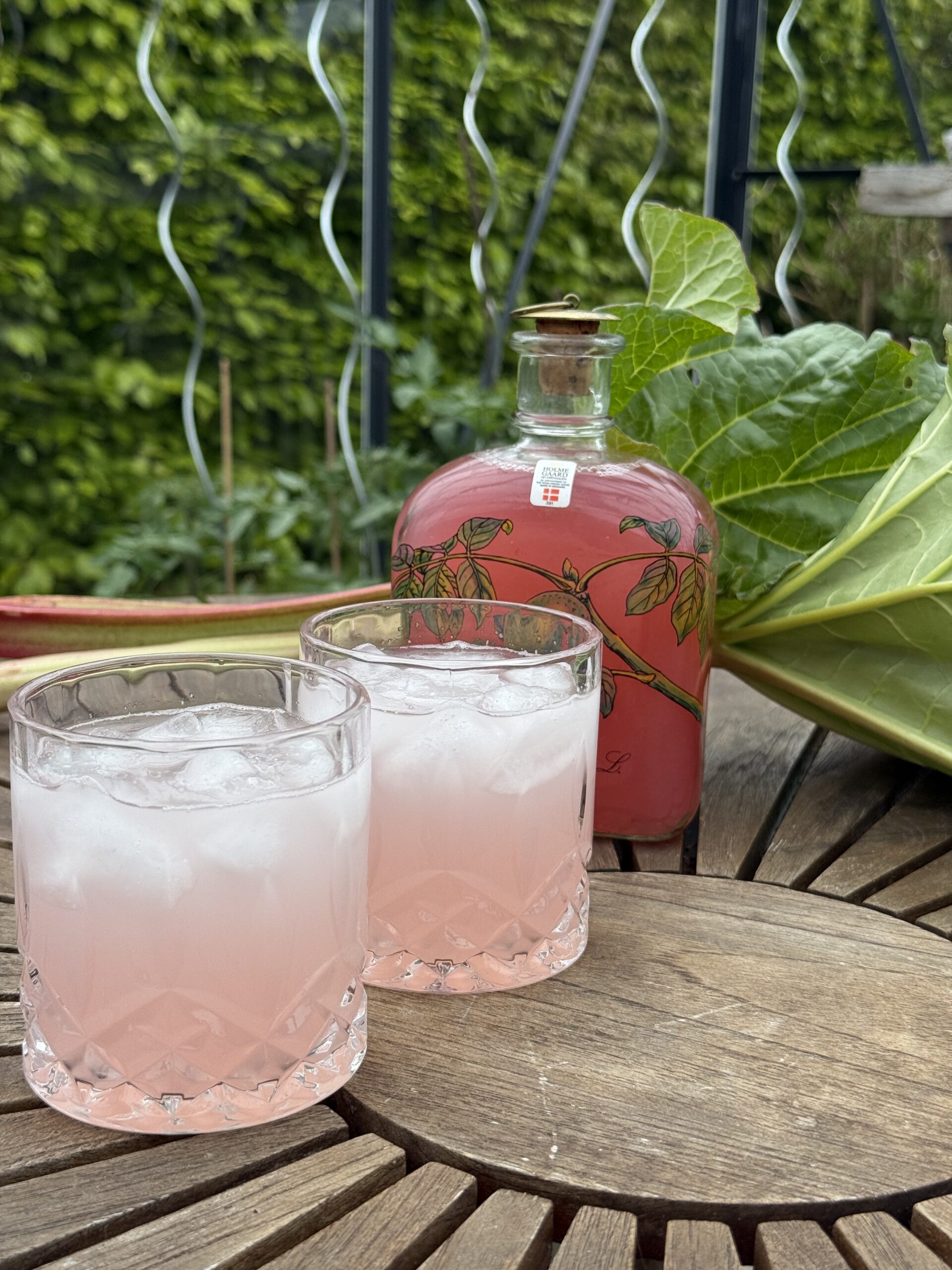
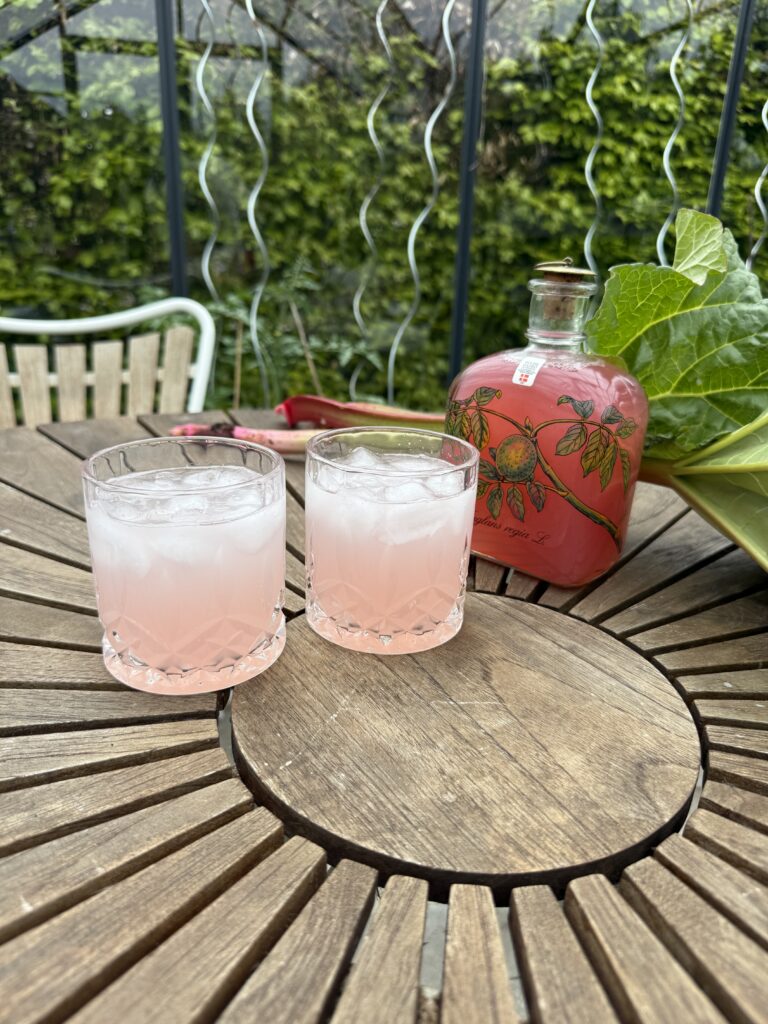
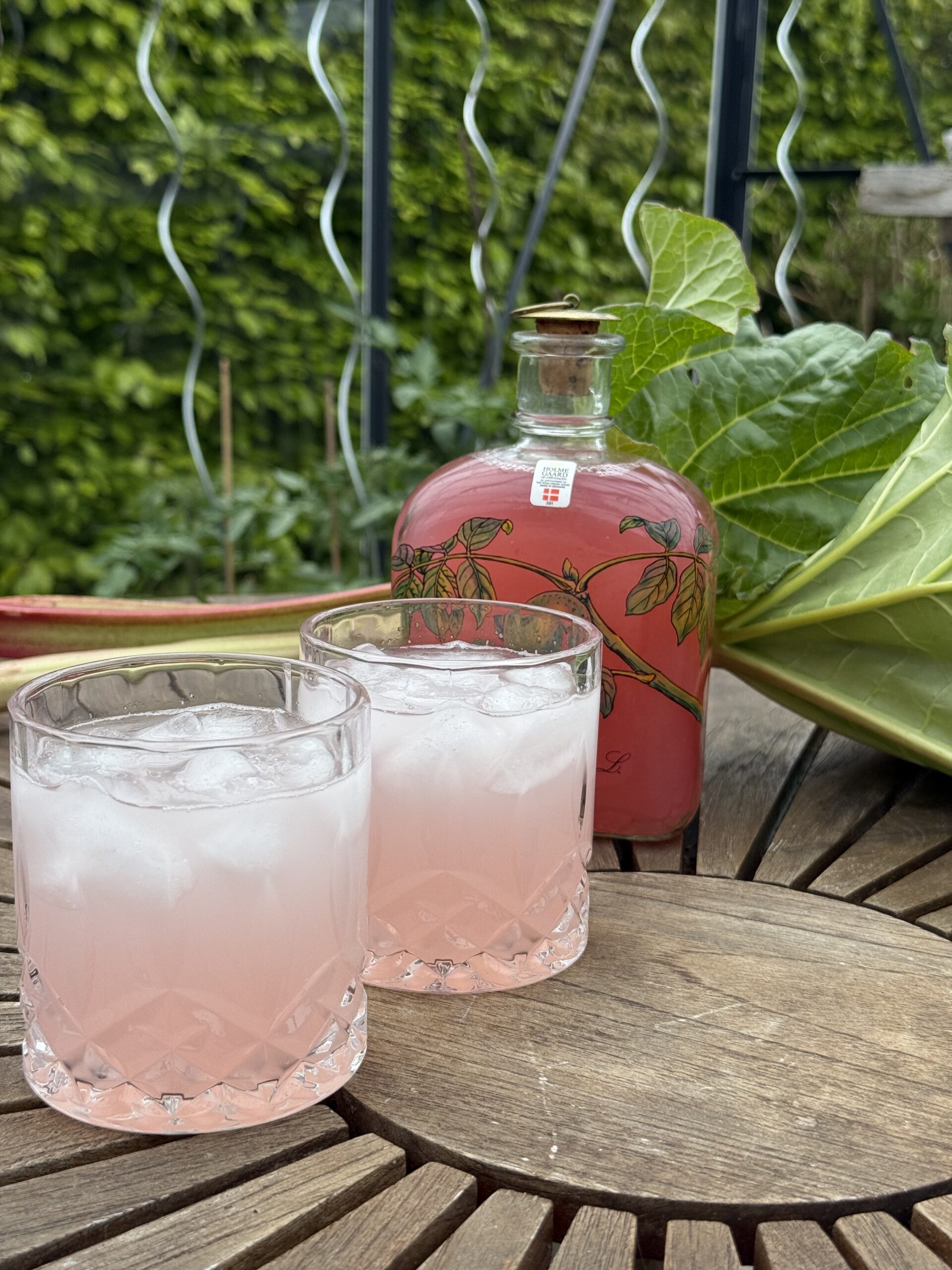
In Denmark, rhubarb season is a small event. There are crumbles and galettes and compotes, all of which are excellent, but the thing I look forward to most is the saft, the cordial you make at the beginning of the season and keep in the fridge for weeks afterwards. A glass of cold water turned pink with rhubarb, slightly tart, slightly sweet, with vanilla running quietly underneath it. It tastes like the first warm evening of the year, which is to say it tastes like relief.
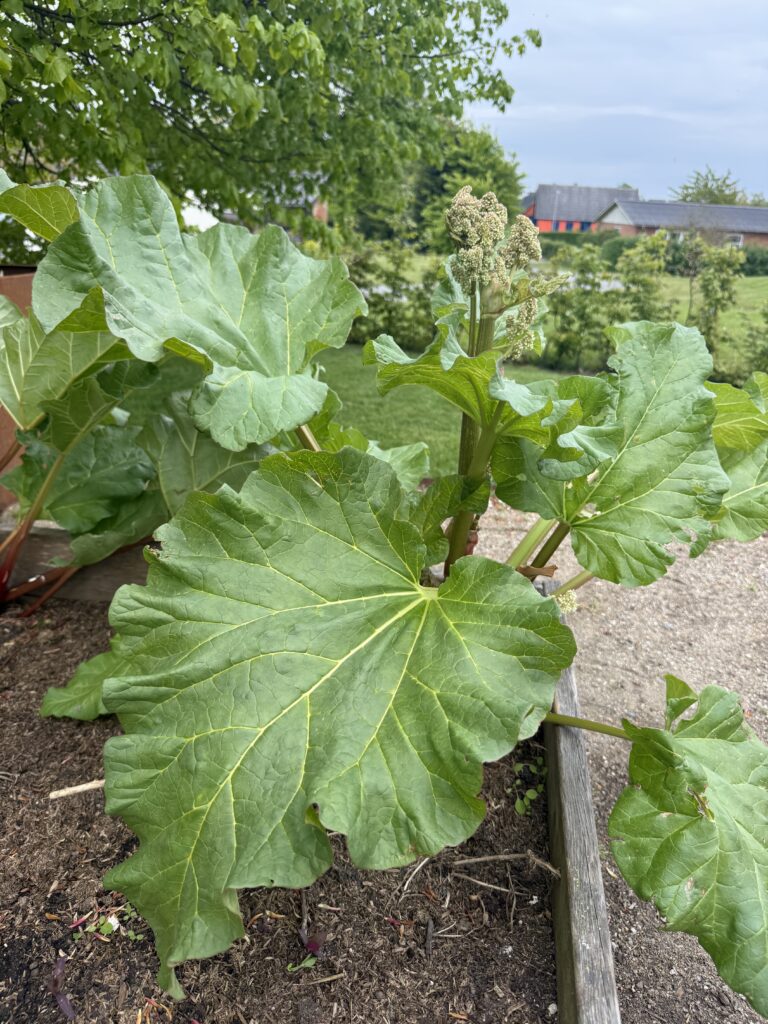
I have two varieties growing. One is Victoria, the classic, the workhorse, the rhubarb your grandmother grew without making any particular fuss about it, because rhubarb didn’t need a fuss, it just needed to be left alone. The other is a strawberry rhubarb, which is redder and slightly sweeter and makes the cordial a deeper, more jewel-like pink that looks almost deliberate, like something you’d order in a restaurant and pay too much for. Together they make something better than either would alone, the Victoria brings the tartness, the strawberry rhubarb brings the colour and a faint roundness that keeps it from being too sharp.
This version uses less sugar than most recipes. Rhubarb is sour and it should stay sour, the point is not to make it taste like candy but to make it taste like rhubarb, which is a flavour that deserves to be taken seriously. Two vanilla pods and the juice of a lemon go in, which sounds like too much and isn’t. The vanilla softens the tartness without sweetening it. The lemon makes everything brighter.
It keeps in the fridge for two to three weeks in a sealed bottle. Or you can freeze it in portions and have rhubarb cordial in November, which is the kind of forward planning that makes February survivable.
Serve it diluted with still or sparkling water, one part cordial to four or five parts water, depending on how bold you want it. If you use sparkling water instead of still, it lifts the whole thing and makes it taste somehow more like summer and less like something you made in a pot.
It’s also very good with prosecco, and it makes an excellent gin and tonic syrup, a splash in the glass before the gin, and the rhubarb and the botanicals find each other in a way that feels inevitable.
Rhubarb Cordial with Vanilla and Lemon – The First Drink of Summer
Ingredients
- 1 kg 2.2 lbs rhubarb: a mix of Victoria and strawberry rhubarb if you have both, otherwise whichever you have
- 2 litres 8½ cups water
- 2 vanilla pods
- Juice of 1 lemon
- 550 g 2¾ cups sugar
Instructions
- Wash the rhubarb and cut it into rough pieces, no need to peel it. The skin is where most of the colour lives, so keep it on.
- Put the rhubarb and water in a large pot. Split the vanilla pods lengthways and scrape out the seeds. Add both the seeds and the pods to the pot. Bring to the boil, then reduce the heat and simmer for 20–25 minutes, until the rhubarb has completely collapsed and the water has turned a deep pink.
- Strain the liquid through a fine sieve or a piece of muslin into a clean pot. Don't press the rhubarb, let it drip through in its own time. If you push it, the cordial will go cloudy. This takes about 15–20 minutes. The leftover rhubarb pulp can be stirred into porridge or spooned over yoghurt.
- Add the sugar and lemon juice to the strained liquid. Heat gently, stirring until the sugar has completely dissolved, about 5 minutes. Don't let it boil.
- Pour into sterilised bottles or jars while still hot. Seal immediately. Once opened, keep refrigerated.
Notes
SERVE
With sparkling water: 1 part cordial to 4-5 parts sparkling water over ice, the bubbles make it taste brighter and fresher than still water does.
With still water: perfectly good, slightly softer, better if you’re drinking a lot of it on a warm day.
In a gin and tonic: a generous splash in the glass before the gin. The rhubarb and the botanicals find each other immediately.
With prosecco or dry cider: splash of cordial, top up, done.